02 / 09
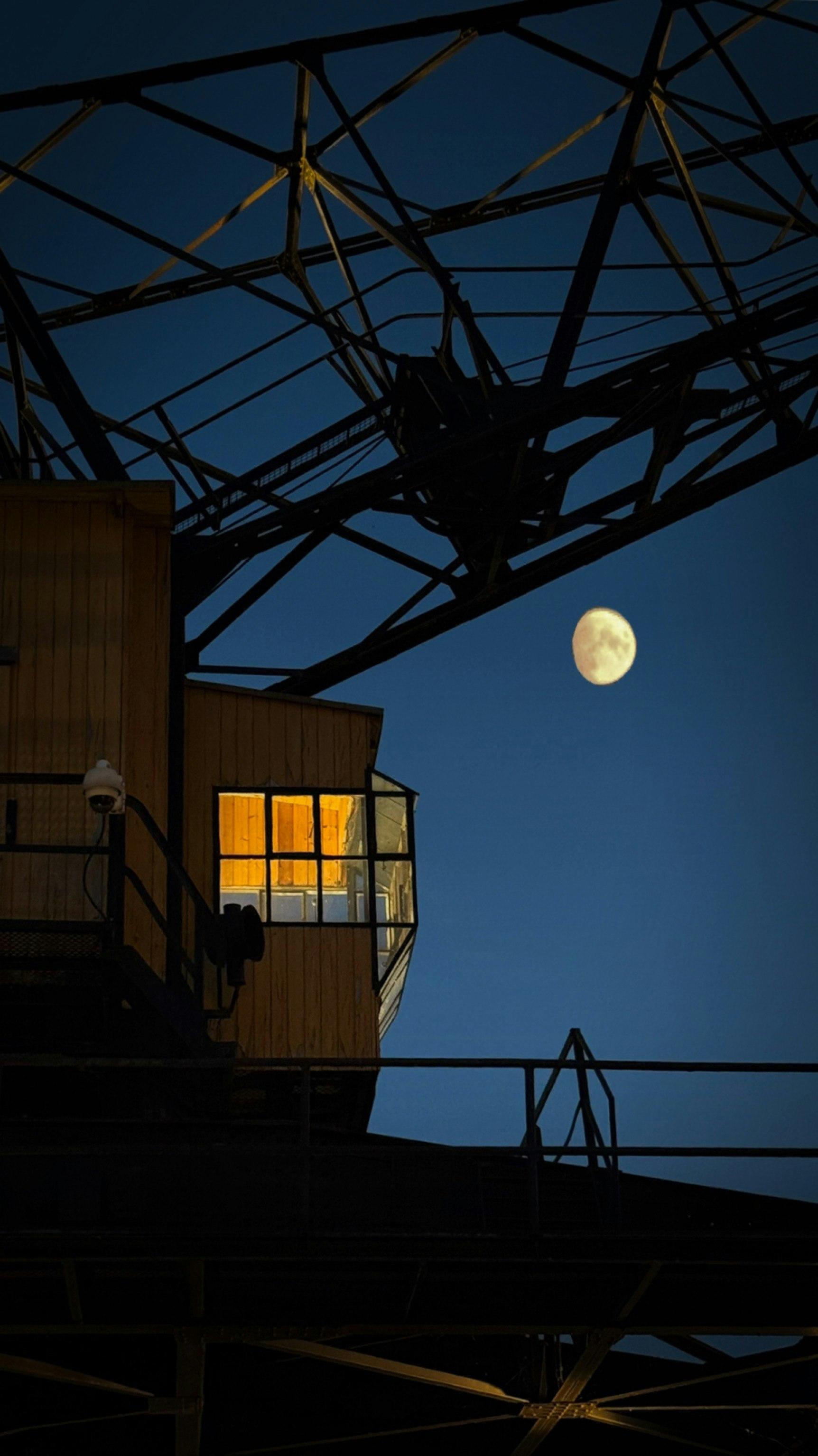
Crane & machine operator cabins
Overview
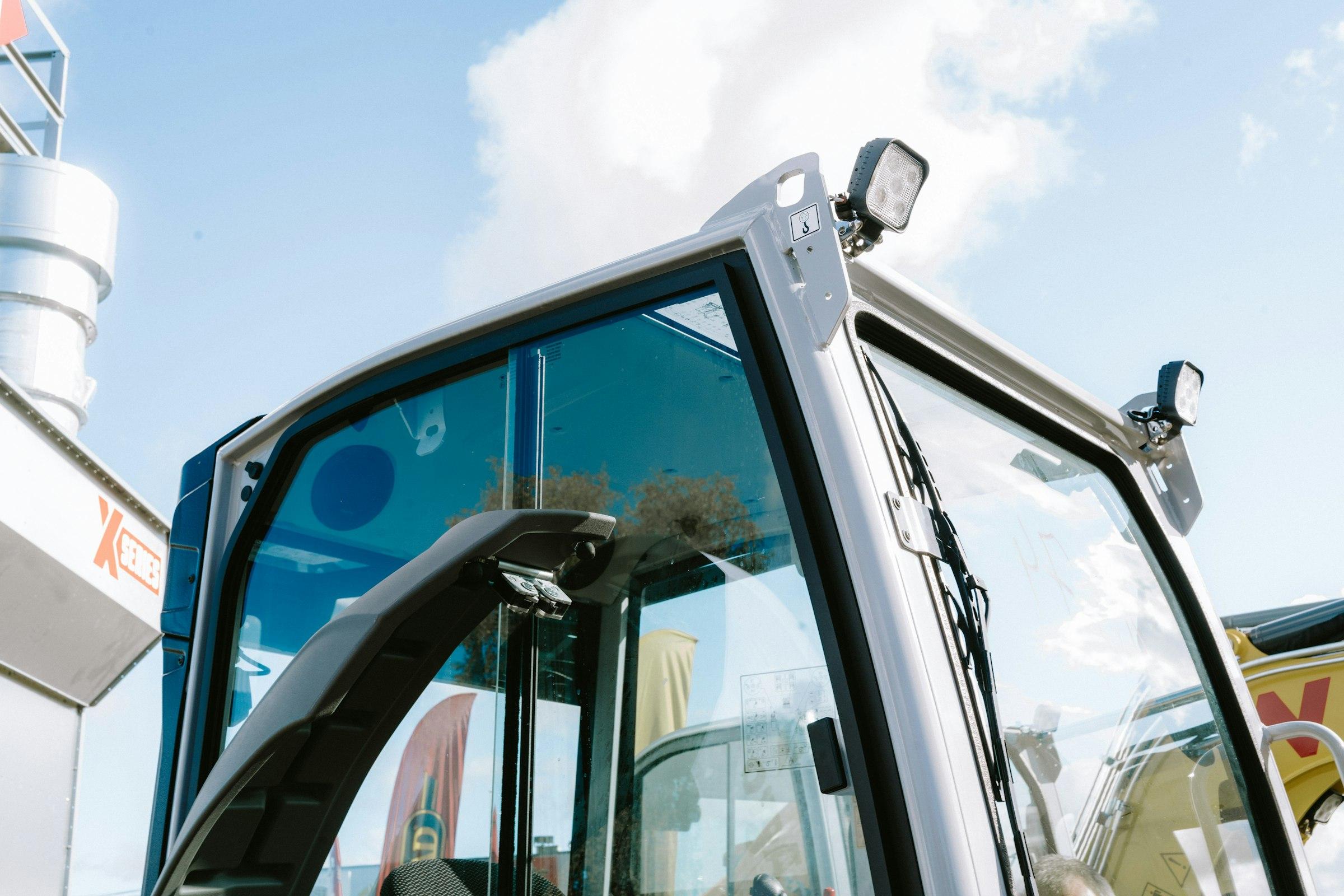
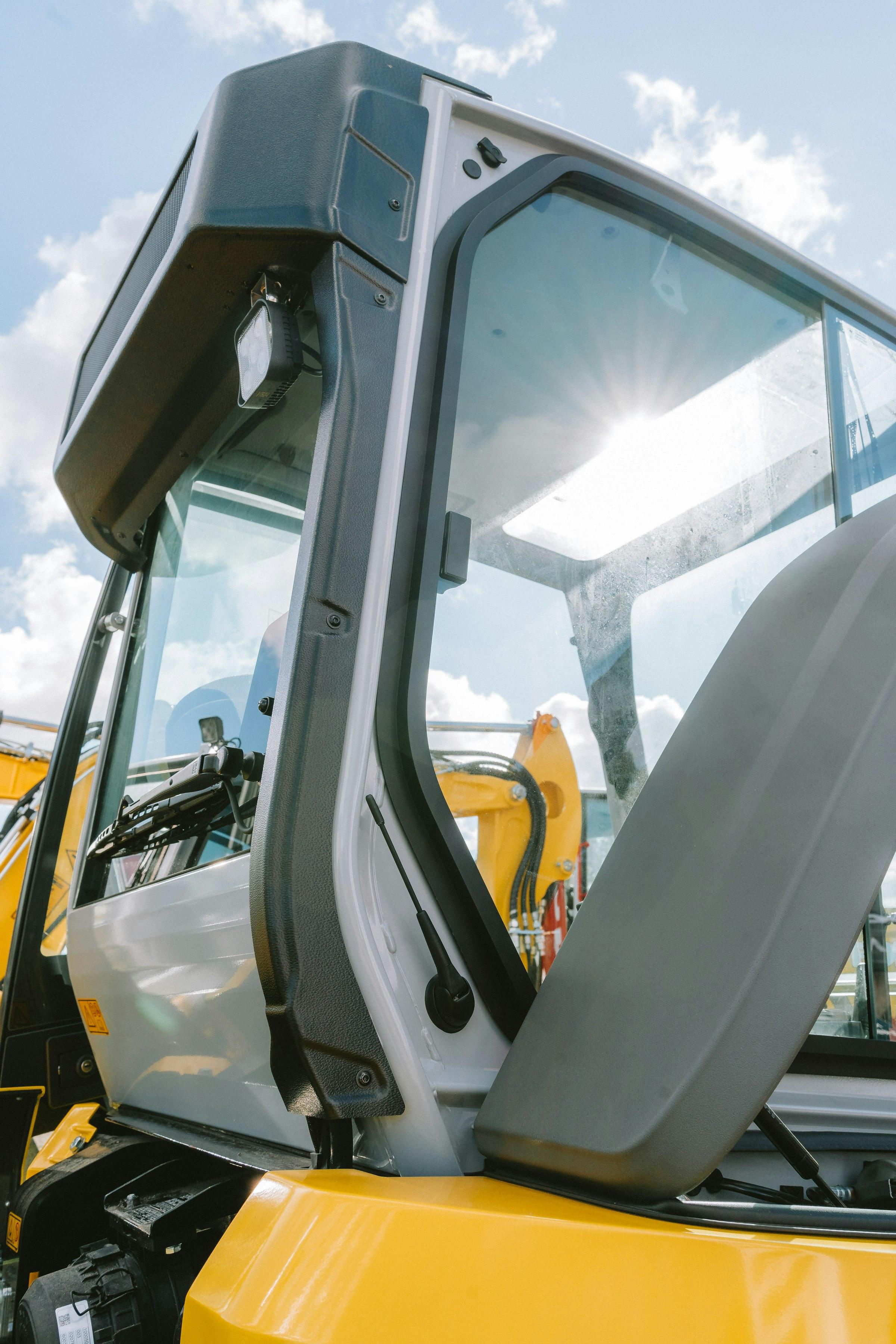
Operator cabins shield operators of machinery and equipment from harsh weather, hazardous materials and excessive noise — improving safety and productivity. Each cabin is engineered around the machine it serves, with clear sightlines, ergonomic controls and the safety features the job demands.
Also known asCrane operator cabin · Crane cabin · Working machine cabin · Industrial machine cabin · Control cabin · Machine operator enclosure · Operator control room
Why it works
Built around how you’ll use it.
- 01
Weather protection
Shelter from extreme temperatures, rain, wind and the elements.
- 02
Noise reduction
Significantly lower noise levels, reducing operator fatigue and the risk of hearing damage.
- 03
Dust & debris protection
A cleaner, healthier working environment, free of airborne particles.
- 04
Ergonomic design
Adjustable seats, well-placed controls and ample legroom for long shifts.
- 05
Safety features
Options such as roll cages, impact-resistant glass and emergency exits.
- 06
Visibility
Designed for clear sightlines, so operators can work safely and efficiently.
Configurations
Sized to the brief.
Equipment-mounted crane cabin
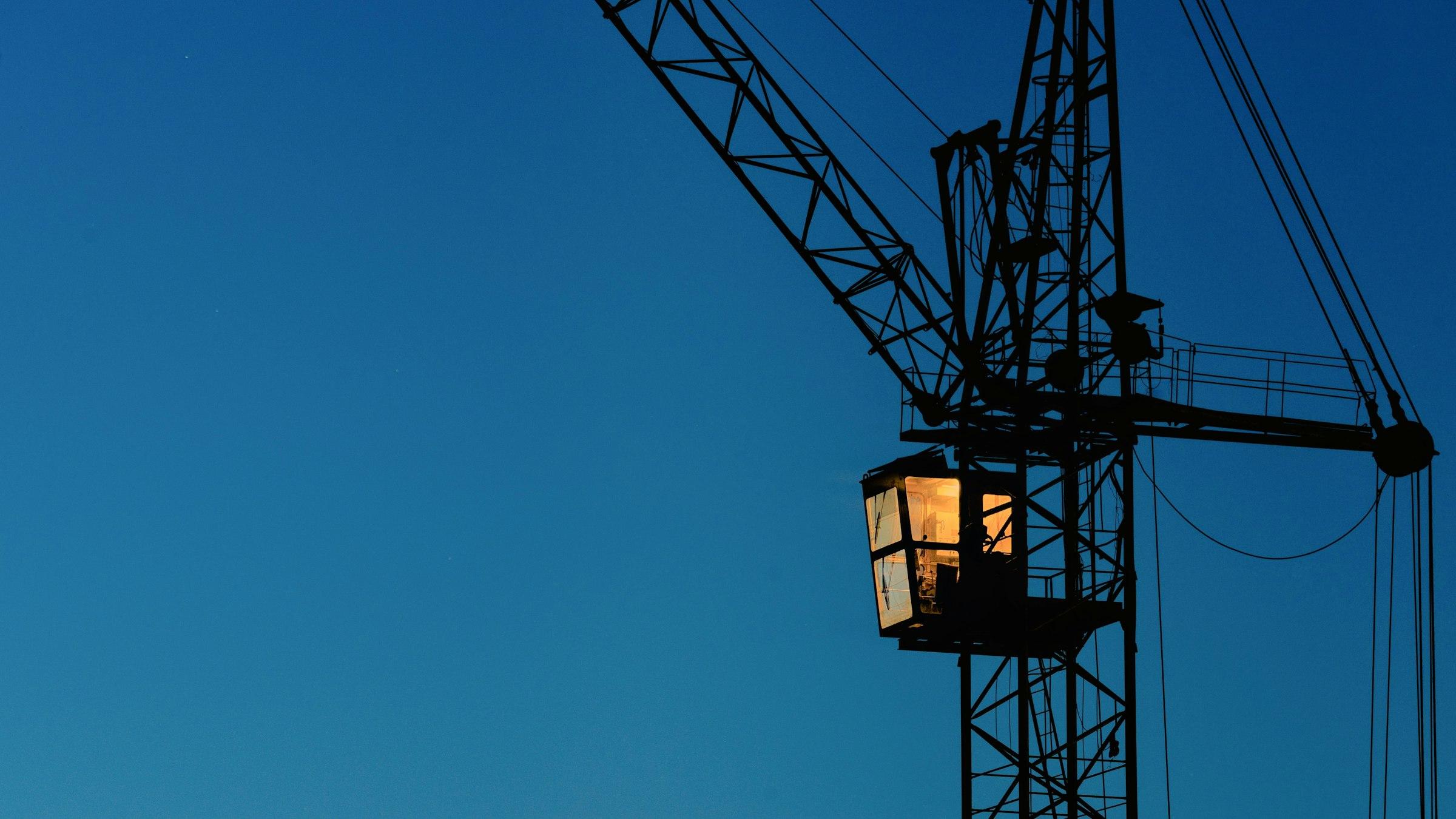
A compact, glazed cab mounted on an EOT, gantry or tower crane, with the floor, front and side glazing arranged around the operator's sightline to the hook.
Fixed floor-mounted control cabin
A standalone insulated cabin beside a production line, conveyor or loading bay, giving an operator a quiet, conditioned place to monitor and control equipment.
Climate-controlled cabins for hot or dusty areas
Thermal and acoustic lining with AC or filtered ventilation provisions, for foundries, steel plants, cement plants and ports where heat and dust are constant.
Safety-specified cabins
Impact-resistant glazing, roll cage, emergency exit hatch and toughened floor glass on request — specified around the hazards of the particular machine.
Ideal for
Where it belongs.
- Cranes & hoists
- Heavy machinery
- Industrial plants
- Ports & material handling
Who it's for
- Industrial plants — control rooms, operator cabins and plant buildingsControl rooms, operator cabins, E-Houses, plant offices and time offices for manufacturing and process plants.
- Power & substations — prefabricated E-Houses for switchgear and controlE-Houses and prefabricated substation rooms for switchgear, PCC and MCC panels — engineered around your layout.
- Construction site cabins — the whole site, delivered as one packageSite offices, stores, security, toilets and labour accommodation — planned together and delivered to your site.
Delivered from Umbergaon to
- Vapi & Valsad
- Surat & Hazira
- Bharuch, Ankleshwar & Dahej
- Vadodara
- Silvassa
- Daman
- Palghar, Boisar & Tarapur
- Pune & Chakan
- Nashik
- Rajkot
- Jamnagar
- Bhavnagar & Alang
- Gandhidham, Kandla & Mundra
- Morbi
- Mehsana & Mandal–Becharaji
- Anand & Kheda
- Nagpur & Butibori
- Chhatrapati Sambhajinagar & Shendra–Bidkin
- Kolhapur
- Solapur
- Satara
- Jalgaon
- Panvel, Taloja & Raigad
- Ahilyanagar (Ahmednagar)
- Gurugram & Manesar
- Faridabad
- Panipat
- Sonipat & Kundli
- Hisar
- Rewari, Dharuhera & Bawal
- Ludhiana
- Bathinda
- Rajpura
- Baddi, Barotiwala & Nalagarh
- Jammu & Kathua
- Haridwar & Roorkee
- Rudrapur & Pantnagar
- Indore & Pithampur
- Bhopal & Mandideep
- Jabalpur
- Gwalior & Malanpur
- Ujjain
- Dewas
- Singrauli
- Sagar
- Raipur
- Bhilai & Durg
- Korba
- Bilaspur
- Raigarh
- Jodhpur
- Kota
- Bhiwadi & Neemrana
- Ajmer & Kishangarh
- Alwar
- Mysuru & Nanjangud
- Mangaluru & Udupi
- Hubballi & Dharwad
- Belagavi
- Ballari & Hosapete
- Kalaburagi
- Tumakuru & Vasanthanarasapura
- Shivamogga & Bhadravathi
- Chennai & Sriperumbudur
- Coimbatore
- Tiruchirappalli
- Hosur
- Thoothukudi
- Salem
- Vellore & Ranipet
- Visakhapatnam
- Vijayawada & Amaravati
- Tirupati & Sri City
- Nellore & Krishnapatnam
- Kakinada
- Anantapur
- Kurnool
- Karimnagar & Ramagundam
- Ghaziabad
- Kanpur & Unnao
- Agra
- Prayagraj & Naini
- Gorakhpur & GIDA
- Meerut
- Bareilly
- Jhansi
- Muzaffarpur & Motipur
- Bhagalpur & Kahalgaon
- Begusarai & Barauni
- Ranchi
- Jamshedpur & Adityapur
- Dhanbad & Jharia
- Bokaro Steel City
- Durgapur & Panagarh
- Asansol & Raniganj
- Haldia
- Rourkela & Rajgangpur
- Paradip
- Jharsuguda & Sambalpur
- Angul & Talcher
- Kalinganagar (Jajpur)
- Dibrugarh & Tinsukia
FAQ
Questions, answered.
Can you build a cabin to fit our existing crane or machine?
Yes — every operator cabin is designed around the equipment it serves. Share the mounting points, available envelope and the operator's required sightlines, and we develop drawings for your approval before fabrication.
How do operator cabins reduce noise and heat?
Walls and roof are lined with thermal and acoustic insulation and sealed around doors and glazing. Combined with AC or ventilation provisions, this keeps the operator comfortable and alert through long shifts.
What safety features can be included?
Options include roll cages, impact-resistant or toughened glass, emergency exits, wipers and guard rails. The right combination depends on the machine and the hazards on your site, which we agree at the design stage.
What should a good operator cabin design include?
Glazing placed around the operator's actual line of sight (to the hook, the tool or the line), a seat and controls positioned for long shifts, insulation and sealing against heat, dust and noise, AC or filtered ventilation, lighting and wipers where the view matters, and a clear exit route. For crane cabins, floor glazing and the mounting arrangement are agreed against the crane maker's drawings.
Can the cabin be retrofitted to older equipment?
Often, yes. Retrofits depend on the condition of the existing structure and mounting points, so we review photographs and dimensions first and confirm what is practical.
How long does it take to build an operator cabin?
It depends on the size, glazing and fit-out specified. Timelines are confirmed in the proposal once drawings are agreed.
Next — 03
PUF Panel Cabins