
What a sandwich panel is
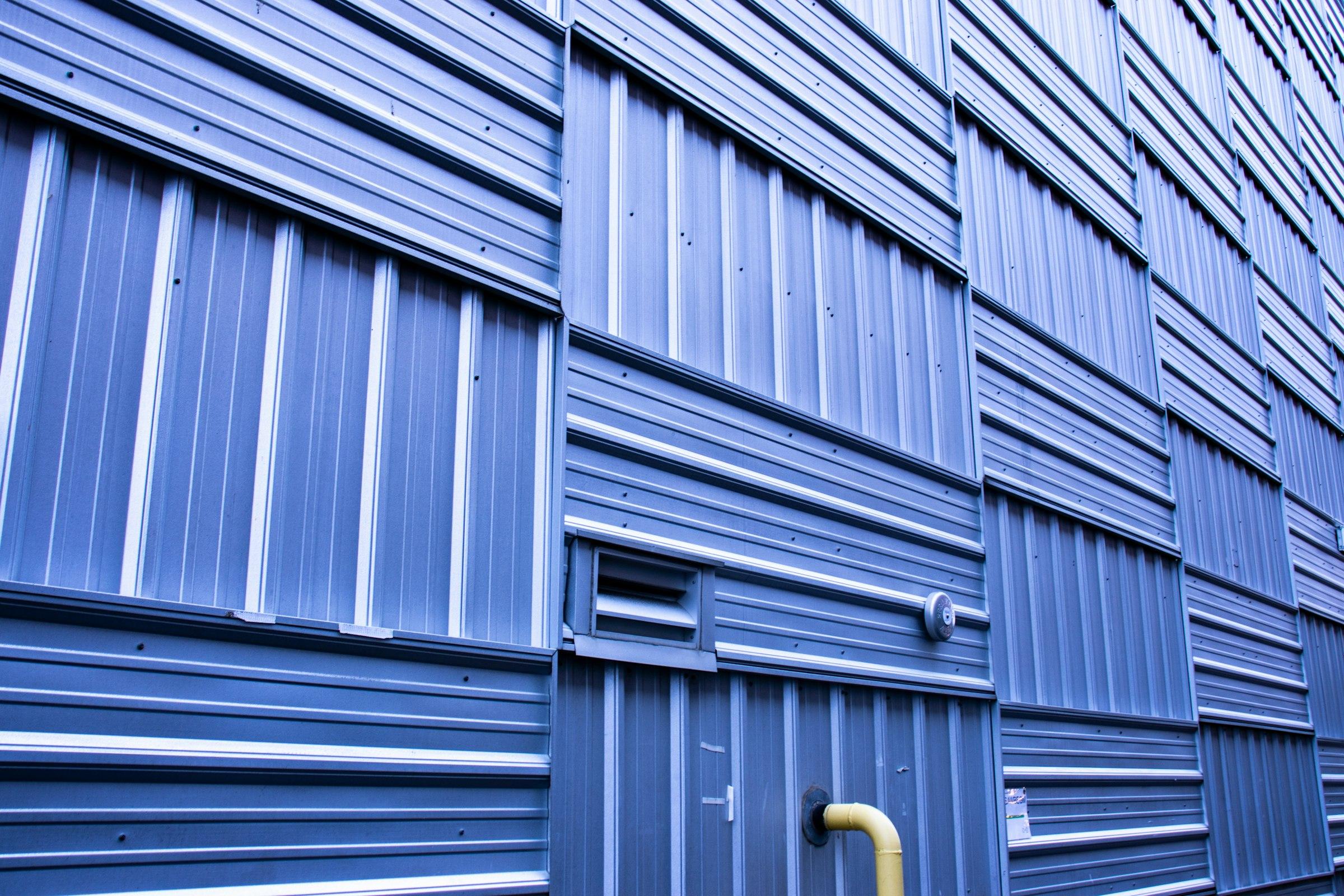
A sandwich panel is two thin outer skins, usually pre-coated steel, bonded to an insulating core. One panel gives the finish, the stiffness and the insulation, and panels lock together by tongue and groove or cam-lock joints. The skins are similar whatever the core; the core is where PUF, EPS and rockwool panels differ.
- —PUF (polyurethane foam): a rigid, closed-cell foam bonded to the skins. PIR is a related foam often used where better fire behaviour is wanted.
- —EPS (expanded polystyrene): bead foam, the material often called thermocol in India.
- —Rockwool (stone wool): mineral fibre made from molten rock, used as a panel core and as a lining.
PUF vs EPS vs rockwool at a glance
| Property | PUF | EPS | Rockwool |
|---|---|---|---|
| Insulation for the same thickness | Best of the three | Lower than PUF | Lower than PUF |
| Weight | Light | Lightest | Heaviest |
| Fire behaviour | Combustible foam; fire-retardant grades and PIR exist | Combustible; softens and melts with heat; fire-retardant grades exist | Mineral fibre, generally treated as non-combustible |
| Moisture | Closed cells resist water; joints and cut edges still need sealing | Resists water; joints and edges need sealing | Must be kept dry; wet fibre loses insulation |
| Sound | Limited | Limited | Good sound absorption |
| Stiffness and bond | Strong bond to the skins; stiff panels | Adequate for walls and roofs of cabins | Good, but heavier panels need more support |
| Typical uses | AC offices, cold rooms, clean rooms, E-Houses | Site cabins, stores, labour accommodation | Fire-separation walls, kitchens, plant and electrical rooms where specified |
Insulation and thickness
PUF insulates best for its thickness, so a PUF panel gives the same comfort in a thinner wall, which matters in a cabin where every centimetre of internal width counts. EPS and rockwool need more thickness to match it. PUF panels are typically 40 to 100 mm thick; within that range, choose by use.
- —Roof: the roof takes the most sun, so it often deserves a thicker panel than the walls.
- —AC offices and rooms with sensitive equipment: a mid to thicker PUF panel holds the temperature better and eases the AC load.
- —Cold rooms: the thickest panels, chosen by the room's temperature and the refrigeration design.
- —Simple site cabins and stores: thinner panels or EPS may be enough where the room is not air-conditioned.
Joints matter as much as the core. A thick panel with leaky joints, unsealed cable entries or a gap at the roof edge loses much of its advantage, so sealed joints, gasketed doors and sealed services are part of the specification.
Fire: what to ask, not what to assume
No panel should be described as fireproof. Foam cores such as PUF and EPS are combustible, though fire-retardant grades exist and PIR foam is often chosen for better fire behaviour. Rockwool is mineral fibre and is generally treated as non-combustible, which is why it is chosen where fire performance leads the brief.
- —Ask whether your project, client, insurer or local authority specifies a fire rating or test for walls and roofs.
- —Ask for the test report for the exact panel and thickness offered, not a general brochure claim.
- —Treat kitchens, generator and electrical rooms and escape routes as places where the fire specification deserves particular attention.
- —Remember that layout, exits, electrical work and fire-fighting equipment matter as much as the panel core.
Coastal sites, damp and monsoon
Near the sea, the skins and the sealing decide how long a panel looks good and stays dry. Pre-coated steel skins, sealed cut edges and properly flashed joints keep salt air and driving rain out of the core. PUF and EPS cores resist water well; rockwool must be kept dry, so its edges and joints need extra care in wet climates.
- —Specify pre-coated skins suited to the site, and corrosion-resistant fixings.
- —Seal every cut edge, joint and service entry; cover exposed edges with flashings.
- —Keep the base of the panels above splash level on a raised plinth.
- —Inspect sealants and flashings before each monsoon.
Our guide on designing prefab structures for coastal and monsoon climates covers the frame, roof and drainage details as well.
Which panel for which cabin
| Use | Usual choice | Why |
|---|---|---|
| Portable office cabin with AC | PUF | Best insulation for the thickness; lower AC load |
| Basic site cabin or store without AC | EPS or thinner PUF | Light and adequate where the room is not cooled |
| Cold room | Thick PUF | Holds low temperatures; tight, hygienic joints |
| Clean room | PUF with smooth pre-coated faces | Insulating, easy-to-clean, sealable surfaces |
| Toilet cabin | PUF or EPS with sealed, washable skins | Smooth faces clean easily; joints sealed against water |
| Security cabin | PUF | Comfort for long shifts in a small, sunny room |
| Labour accommodation | EPS or PUF | Chosen by climate and whether rooms are cooled |
| Kitchen, plant room or fire-separation wall | Rockwool where the specification calls for it | Fire performance and sound control lead the choice |
What Bharat Portable Cabin offers
We build porta cabins, office cabins and PUF panel cabins with PUF or EPS sandwich panels between pre-coated steel skins, and line container cabins with PUF, rockwool or glasswool. Where a project specification calls for rockwool-cored panels, tell us at the enquiry stage and we will discuss what is practical for your cabin.
Tell us the use, the site, whether the cabin will be air-conditioned and any project specification, and we will suggest a core and thickness and send a proposal. Each cabin is quoted per project.