
Toilet & washroom cabins · Updated 15 October 2026
Portable toilet cabins, toilet blocks & cabins with attached toilet
Quick answer
What is a toilet porta cabin?
A toilet porta cabin is a factory-built cabin that arrives with cubicles, sanitaryware, plumbing, lights and exhaust already fitted, so it only needs placing and connecting to water, drainage and power. Bharat Portable Cabin builds single and twin toilet cabins, multi-seat toilet blocks and portable cabins with an attached toilet, from insulated panels or container shells. It does not supply bio or FRP toilets.
- Smooth, water-resistant panel surfaces that are simple to clean
- Plumbed at the factory, with inlet and outlet points fixed at design
- Connects to a septic tank, soak pit or sewer on site
- Gents' and ladies' sections with separate entries
Overview
Washrooms are usually the first thing a site inspection notices and the last thing a project wants to spend time building. A portable toilet cabin solves that: it arrives with the cubicles, sanitaryware, plumbing and lighting already fitted, and only needs to be placed and connected to water and drainage.
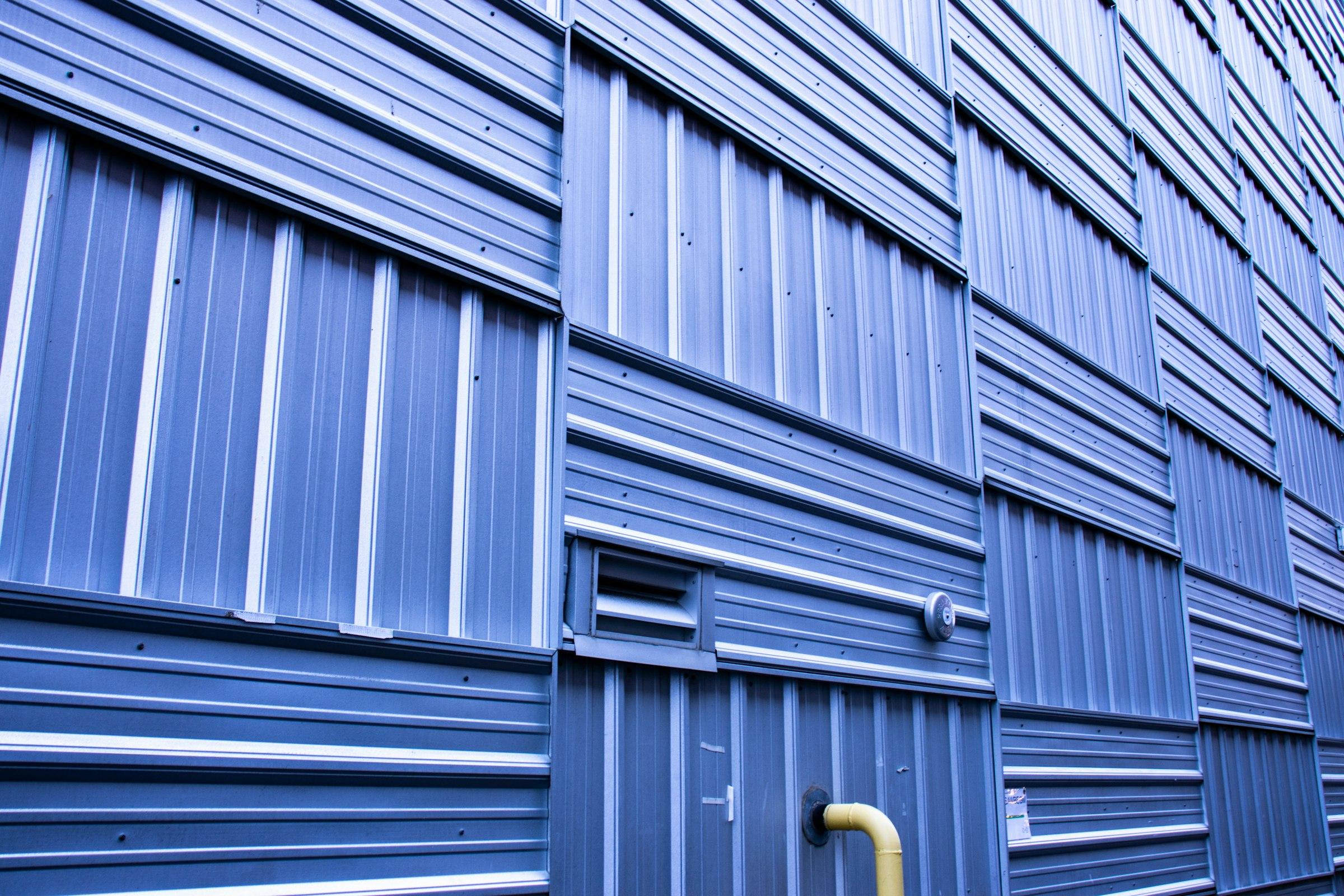
We build three kinds. Toilet porta cabins, from a single-seat unit for a gate or small site to a twin cabin with separate entries. Porta cabin toilet blocks, with rows of WCs, urinals, bathing cubicles and wash basins for a site workforce, labour camp or factory shift. And portable cabins with an attached toilet — a site office, guard cabin or supervisor room with its own WC and basin. Panels with pre-coated steel or cement-board skins give smooth, water-resistant surfaces that are simple to clean, and exhaust fans and louvres keep the cabin fresh.
They serve construction sites and labour camps, factories that need extra facilities during expansion, and venues that need washrooms for a season. Because they sit on a base frame, they can be relocated when the need moves. Planning the block together with the site office, stores and labour accommodation also keeps water and drainage routes short and simple.
What we supply
Configured for the job.
Single and twin toilet porta cabins
Compact units with WC, wash basin, light and exhaust — for gates, small sites and remote posts.
Porta cabin toilet blocks
Multi-seat toilet blocks with rows of WCs and urinals and a common wash area, sized for a site workforce or factory shift.
Toilet-cum-bath blocks
Combined toilets and bathing cubicles for labour camps and residential crews.
Container washrooms
Container shells converted into robust washroom units that are easy to lift and relocate.
Portable cabins with an attached toilet
A site office, security cabin or supervisor room with its own WC, wash basin and exhaust in a separate, ventilated compartment, plumbed at the factory so staff do not share the workforce facilities.
Washrooms for offices and client areas
Washroom blocks for corporate site offices, sales galleries and client areas, finished to match the office: tiled or laminate wall linings, vanity counters, mirrors, good lighting and exhaust, with separate ladies' and gents' sides.
Product lines
- PUF Panel CabinsCrafted with Polyurethane Foam (PUF) panels, these cabins offer superior insulation and energy efficiency.
- Aerocon Panel StructuresConstructed with lightweight yet robust Aerocon panels, these structures offer good thermal and acoustic comfort compared with sheet structures, with fire resistance.
- Container CabinsConstructed from repurposed shipping containers, these cabins provide a cost-effective and sustainable space solution.
- Portable Office CabinsAddressing the growing demand for adaptability, prefabricated office cabins provide versatile workspace solutions.
Guides
FAQ
Questions, answered.
What connections does a toilet cabin need on site?
A water supply (usually from an overhead tank), a drainage connection to a septic tank, soak pit or sewer, and a power point for lighting and exhaust. Inlet and outlet positions are fixed at the design stage.
Which sanitaryware options are available?
Indian or western WCs, urinals, wash basins, and bathing cubicles with taps or showers. Tell us who will use the washroom and how often, and we will suggest fittings suited to that use.
How many toilets does a site or labour camp need?
It depends on the headcount, how many people use the block at once across shifts, the split between men and women, and the rules or client norms that apply to your project. There is no single figure that fits every site. Share the headcount, shift pattern and any norms your client follows, and we size the WCs, urinals, baths and basins from that brief.
Indian or western WC — which should we choose?
Choose by who uses the block. Indian (squat) WCs are robust, simple to keep clean and what many site and labour camp workforces are used to. Western WCs suit offices, supervisors, visitors and anyone who finds squatting difficult. Many blocks mix both, with mostly Indian WCs in the workforce rows and a western WC in the office or accessible cubicle.
Can a toilet cabin be relocated?
Yes. Once disconnected from water and drainage, the cabin can be lifted by crane onto a trailer and reconnected at the new location.
Can we get a portable cabin with a toilet inside?
Yes. Site offices, guard cabins, supervisor rooms and clinics can be built with an attached toilet — a WC, wash basin and exhaust in a separate, ventilated compartment — plumbed at the factory with inlet and outlet points ready to connect.
What is the difference between a toilet cabin and a toilet block?
A toilet cabin is a single or twin unit for a few users, such as a gate, a small site or a remote post. A toilet block is a larger cabin or panel building with several WCs, urinals, bathing cubicles and a common wash area, sized for a workforce or labour camp.
Do you supply bio toilets or FRP toilets?
No. We don't make bio-digester or FRP toilet units. Our toilet cabins and blocks are steel-framed cabins built from insulated panels or container shells, with standard sanitaryware, and they connect to a septic tank, soak pit or sewer on your site.
Related applications
- Construction site cabins — the whole site, delivered as one packageSite offices, stores, security, toilets and labour accommodation — planned together and delivered to your site.
- Labour camp cabins, bunk houses & labour colony blocksBunk house cabins, labour quarters, toilet blocks, mess halls and rest rooms — sized by headcount and built on relocatable frames.
- Portable security cabins, watchman rooms & guard roomsWatchman rooms, gateman cabins, guard houses and check-post cabins — one-guard to gate house with toilet.